The curriculum at ANS is based on the constructional approach to teaching and learning. It emphasizes and focuses on the whole child and active learning. This approach balances the teaching of academic skills and applying those acquired skills in real-life contexts within an innovative environment.
ANS adheres to the benchmarks of the Jordanian Ministry of Education in a way that best fits the school’s philosophy and the needs of the students. The nurturing program and flexible teaching techniques allow students to build self-confidence and exercise self-discipline whilst encouraging positive values and manners. In addition to that, the curriculum focuses on developing creativity, self-expression, critical thinking, problem-solving, and promoting project-based learning.
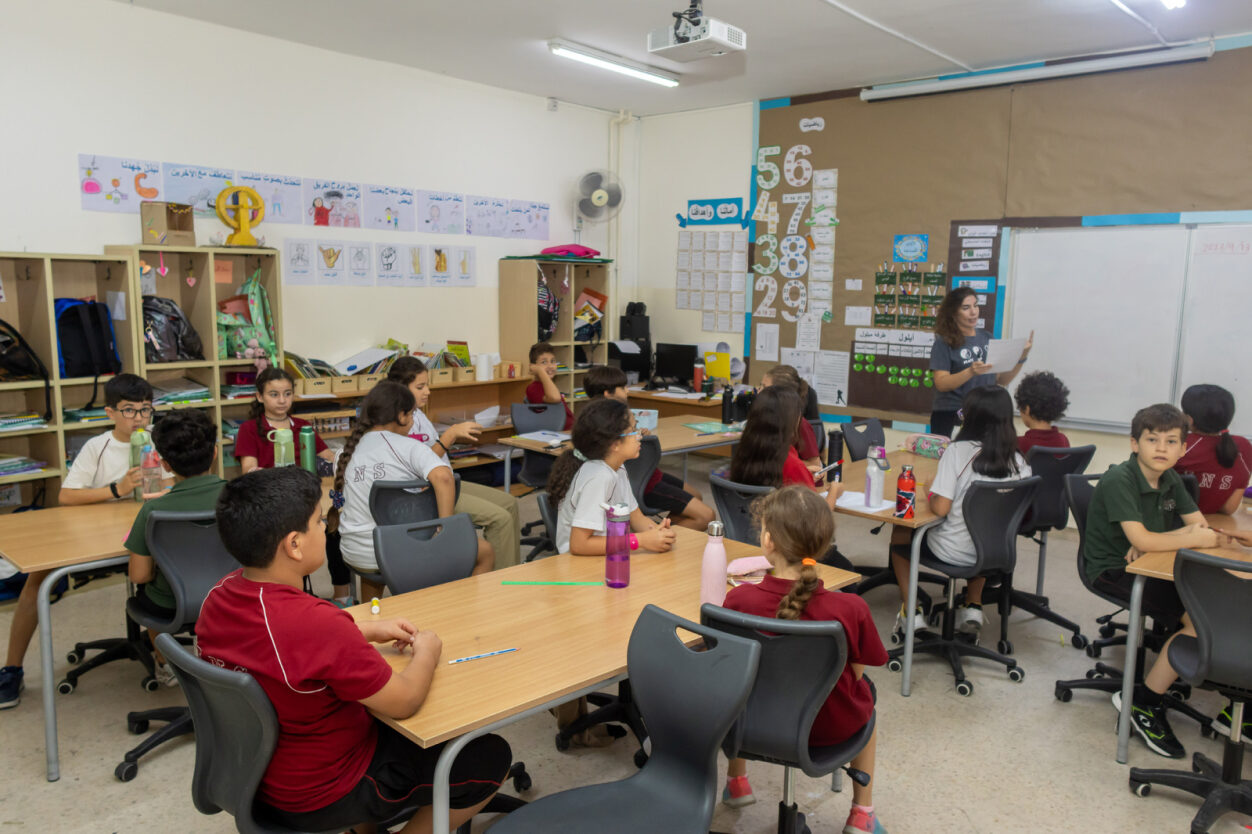
The language of instruction is mainly Arabic, as children think and learn best using their mother language. An advanced English language program is offered daily. Immersion allows the students to interact, in both languages, in an authentic and natural way. This is achieved through reading and writing workshops where students listen to stories and poems read aloud by their teachers, as well as carefully selected audio and video selections. In addition to that, students read books of their choice and extend their comprehension through class discussions, reflections, book clubs, and dramatic explorations. In writing, students express themselves creatively through different genres, which include narrative writing, poetry, fiction stories, informational writing, and essays. The children practice oral communication and enhance their fluency through class discussions, dramatic performances, poetry recitals, and presentations. Students use different skills, such as research, planning, design, documentation, and reflection, to complete these projects.
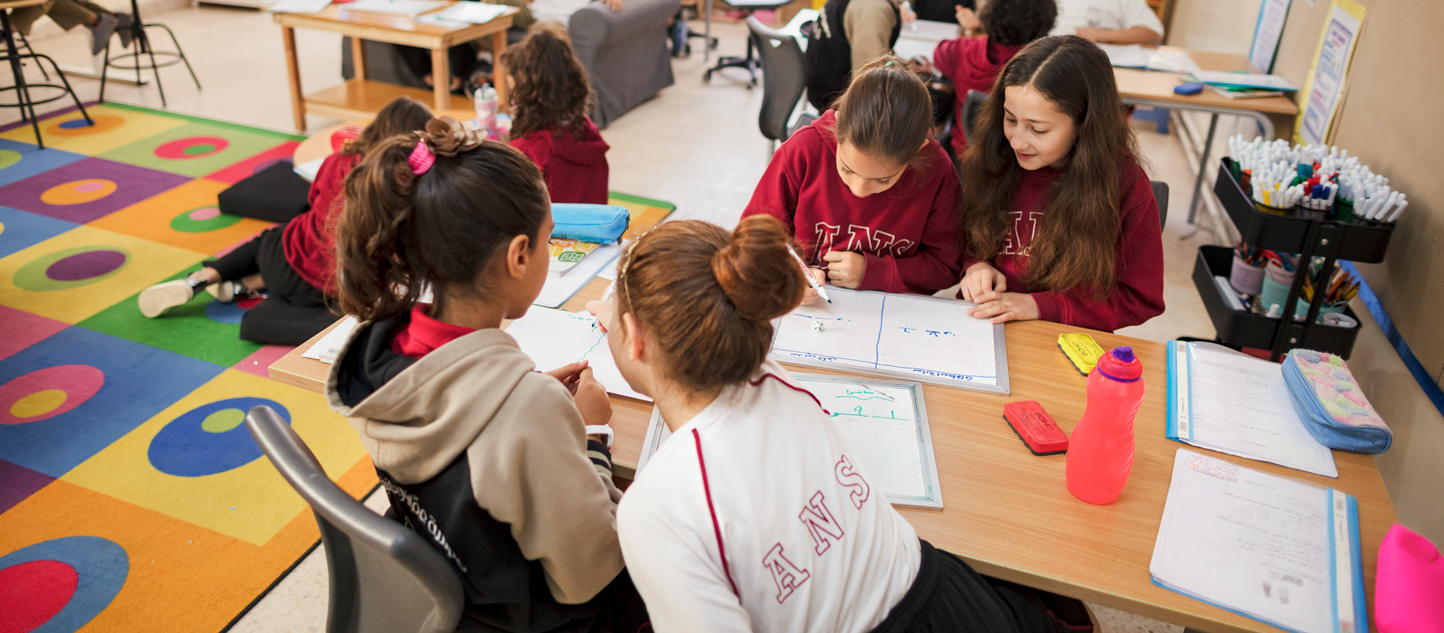
The math curriculum applied helps students develop a deep understanding of concepts and provides numerous opportunities for skill practices and relating them to daily life through games, activities, and worksheets. There is an emphasis on communication as students are encouraged to explain and discuss their mathematical thinking.
Science and Social Studies are integrated into the “Unit of Inquiry”. Students investigate a variety of concepts through different lenses. For example, in the unit on agriculture, students learn the science of plants and investigate the environmental impact of agriculture practices. They also plant on our hydroponic farm. In addition to that, they engage in long-term projects where they research, plan, design, document, and reflect. Examples of these projects include designing and constructing submarines, creating historical museums, and writing and performing plays. All the concepts and skills taught in class are connected to real-world situations. Science is also introduced in English in grade five to enhance students’ scientific terminologies.
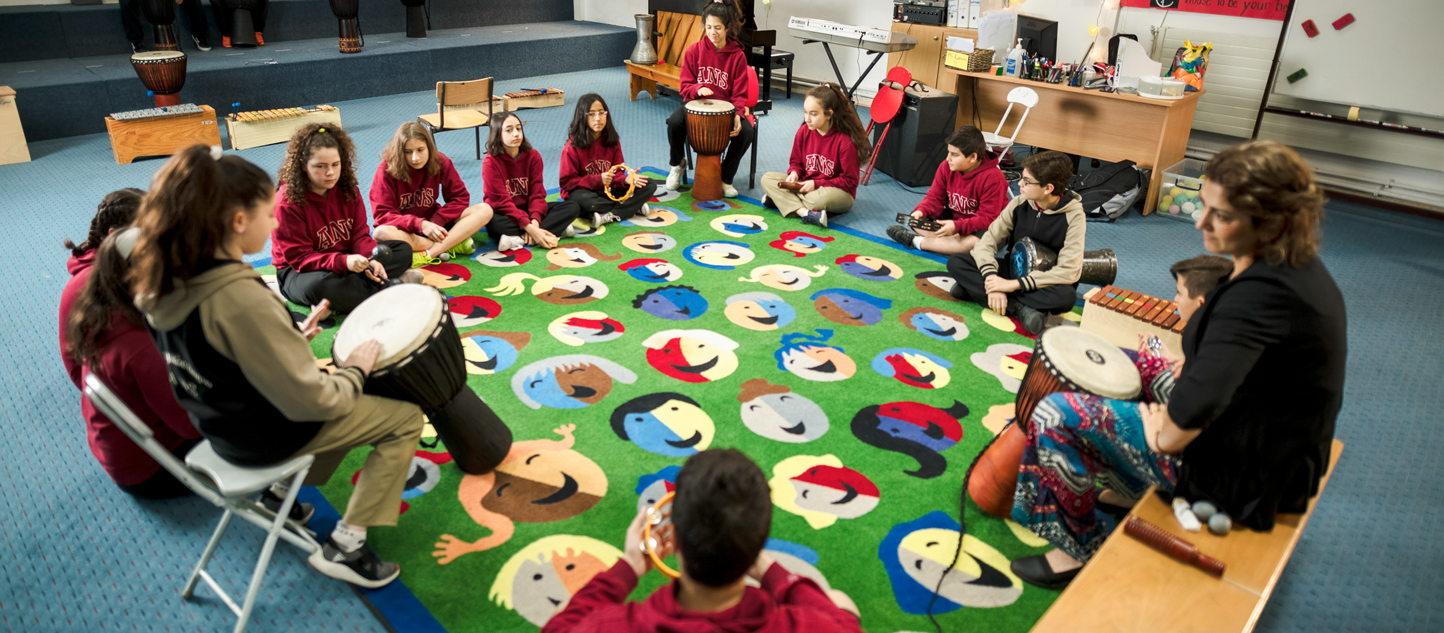
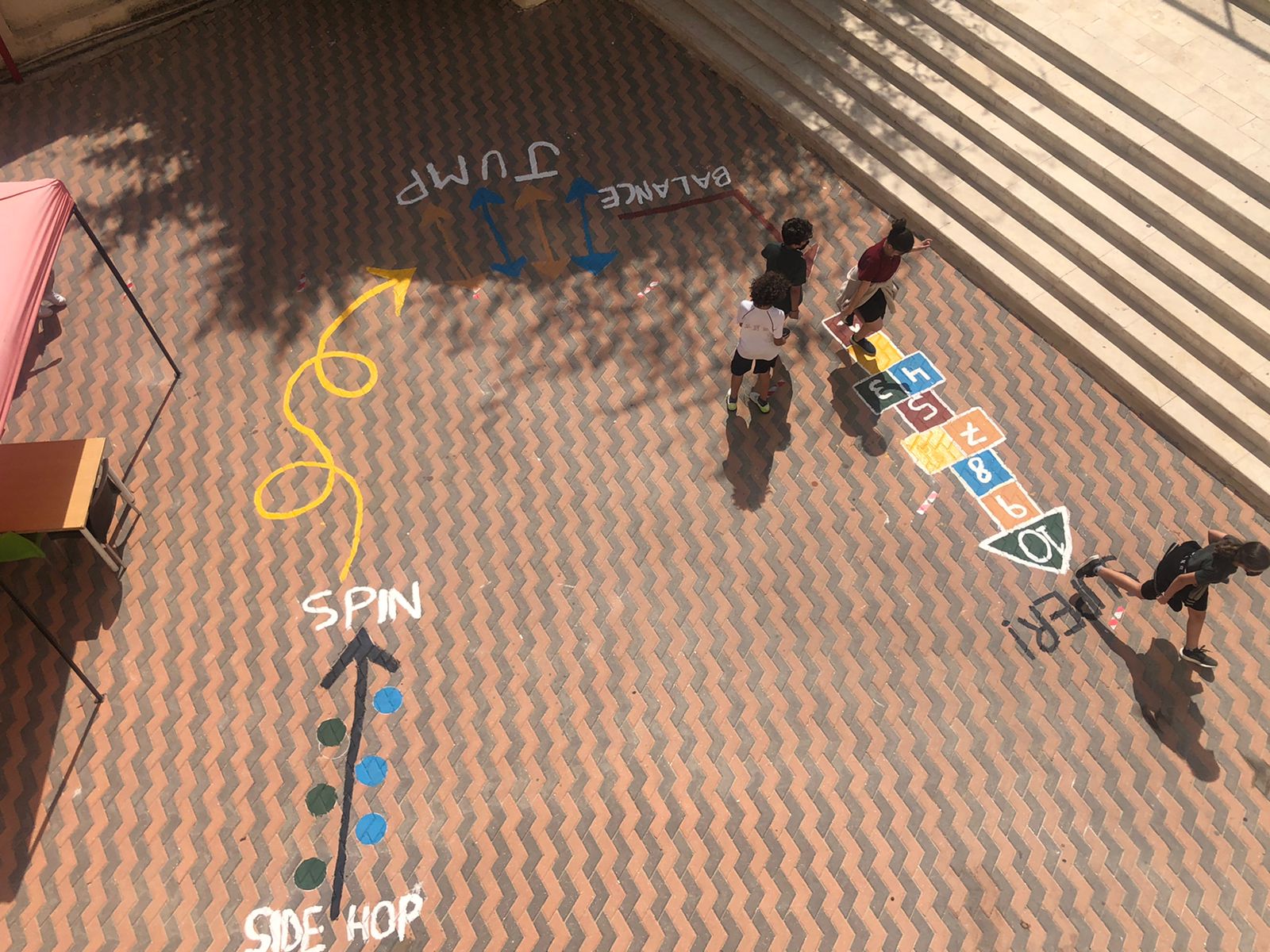
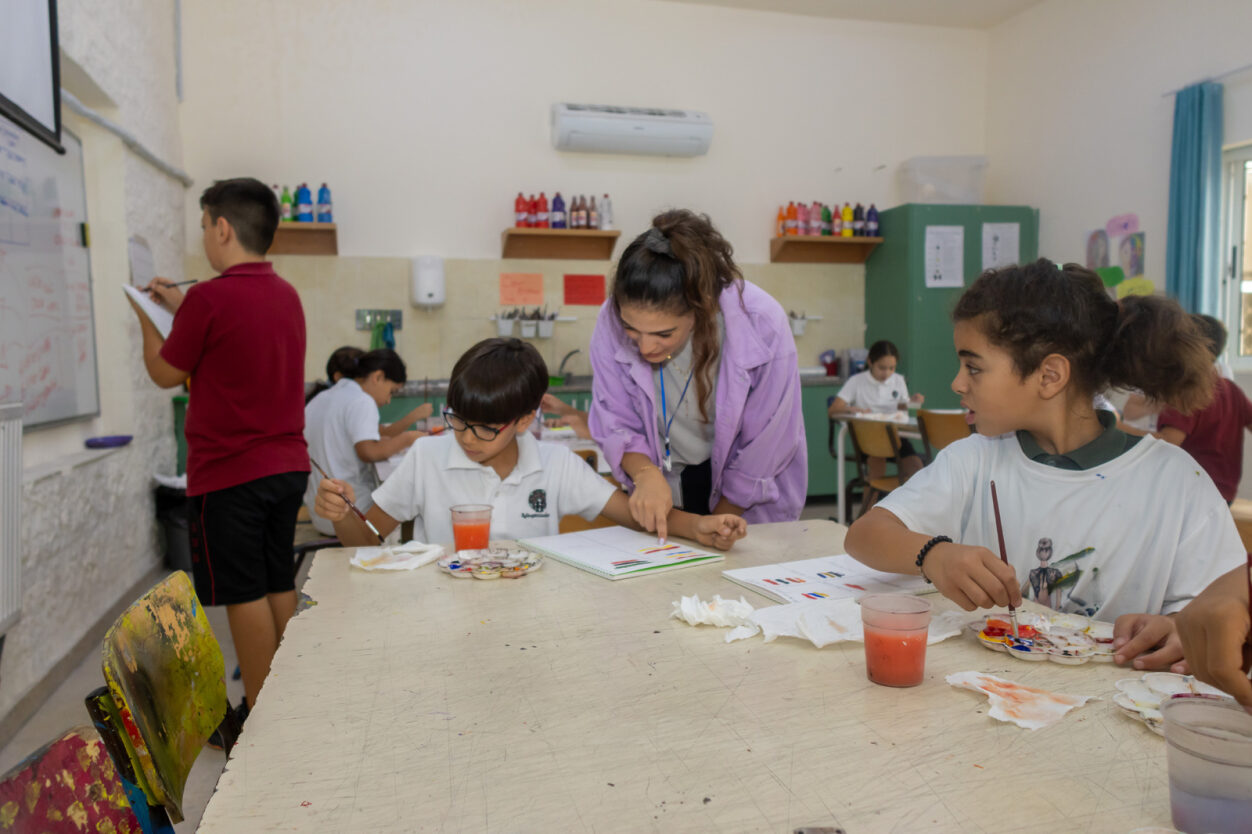
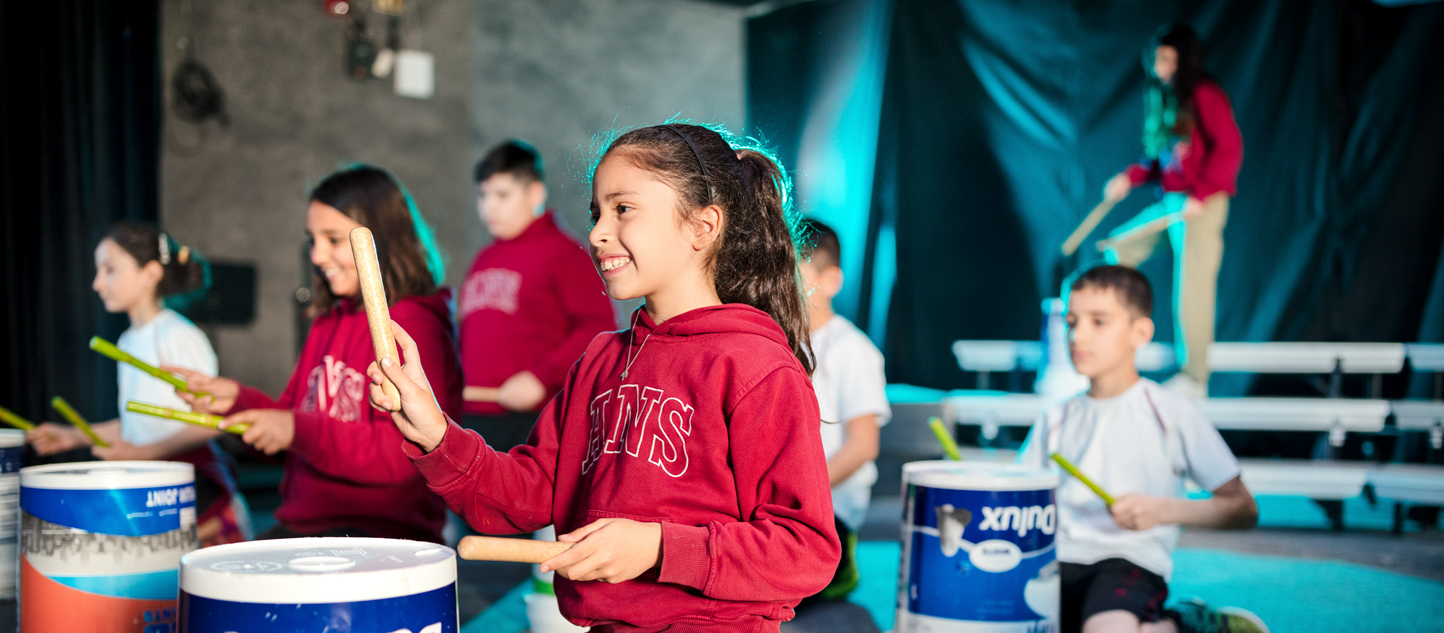
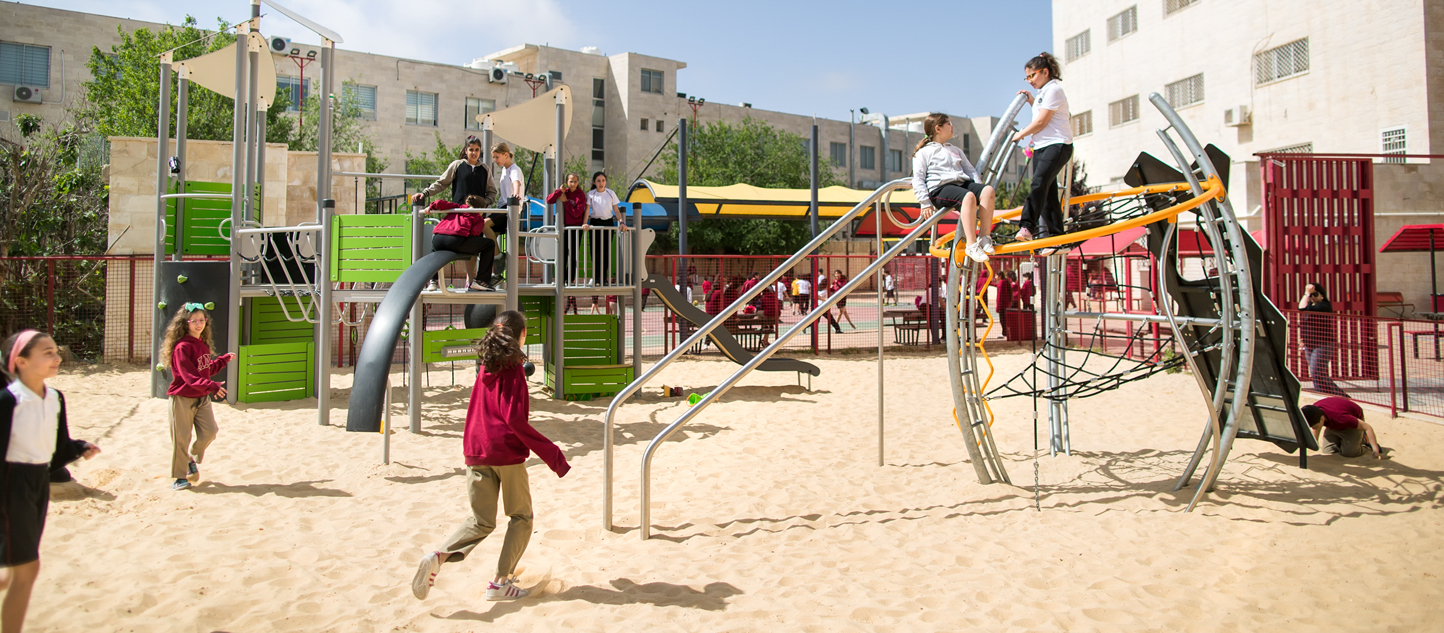
Students take part in Art, Music, and Drama classes weekly where they express themselves creatively through different mediums. They also engage in Physical Education classes to develop their motor skills and maintain an active and healthy lifestyle.
During weekly enrichment clusters, students of different grade levels work collaboratively in a cluster of their choice and interest. These clusters offer a variety of topics such as journalism, photography, performing arts, recycling, community service, culinary arts, and others.
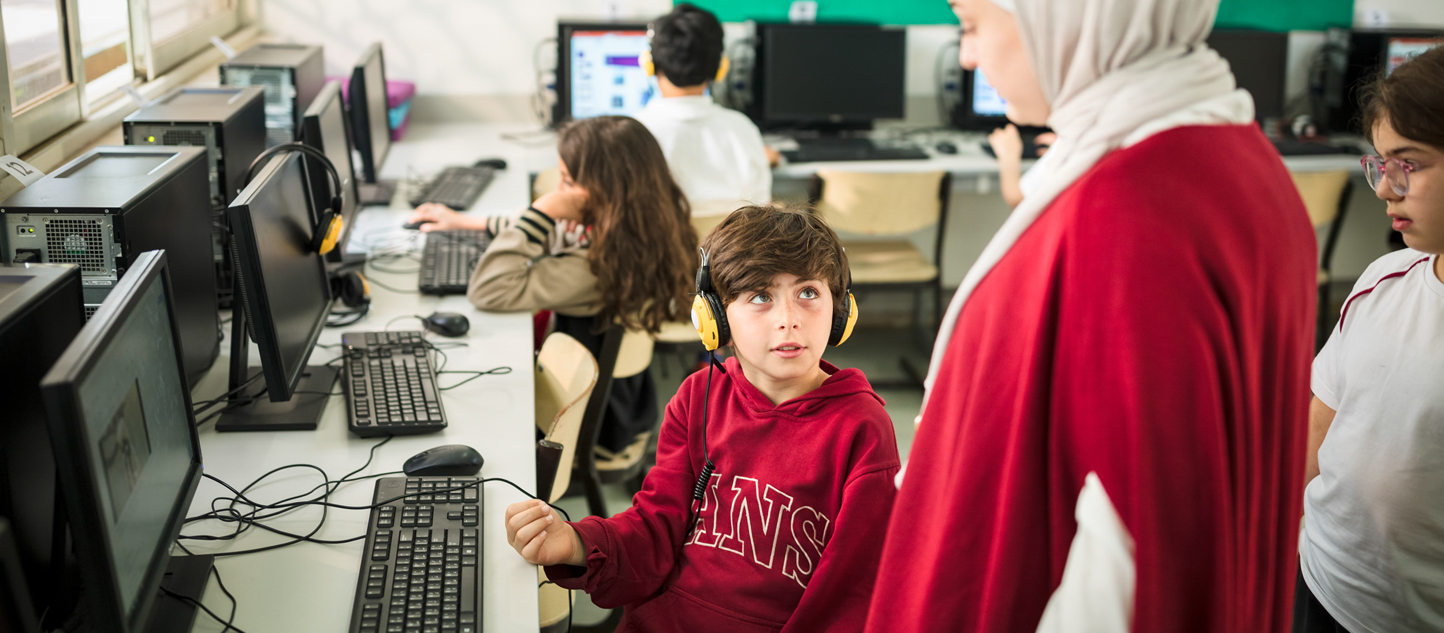
Design Technology classes are introduced in grade five. Students follow the steps of the design cycle to create digital and physical products. At this stage, students also learn to type in Arabic and English.

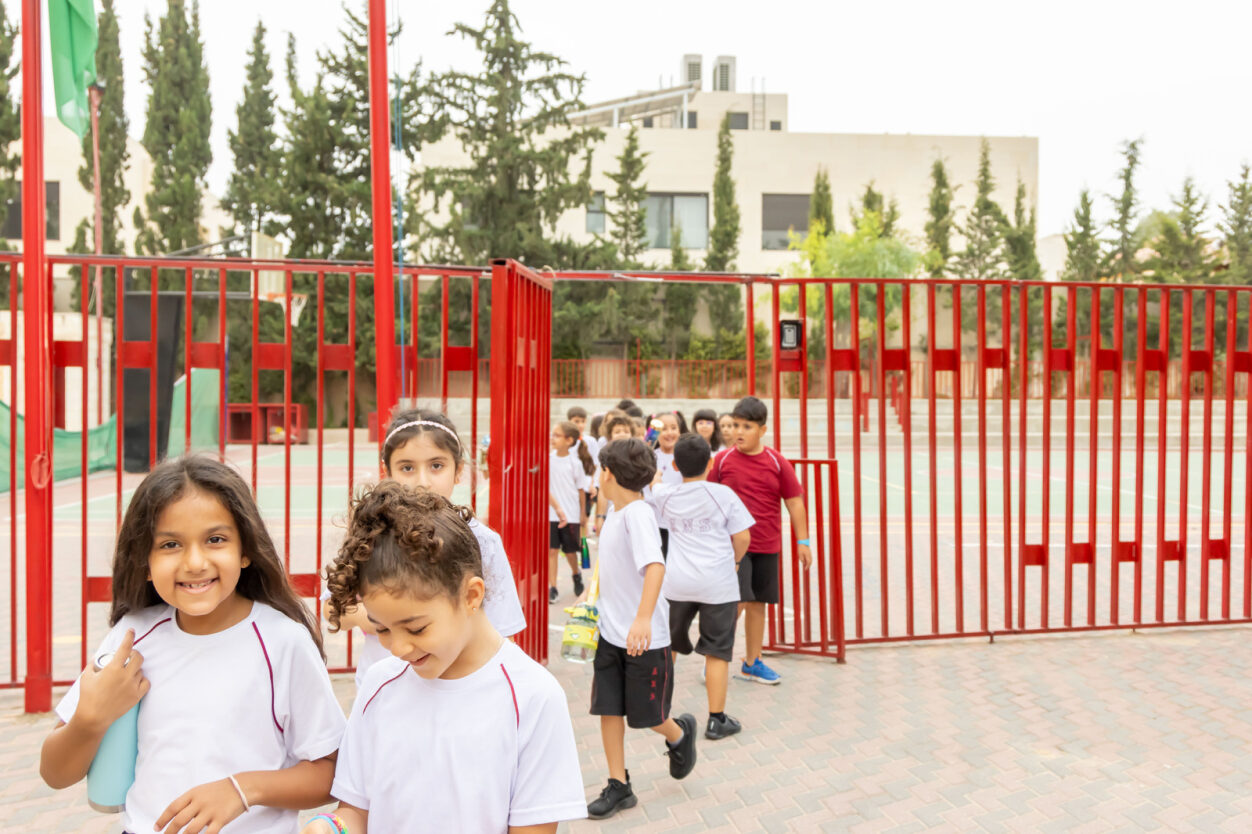


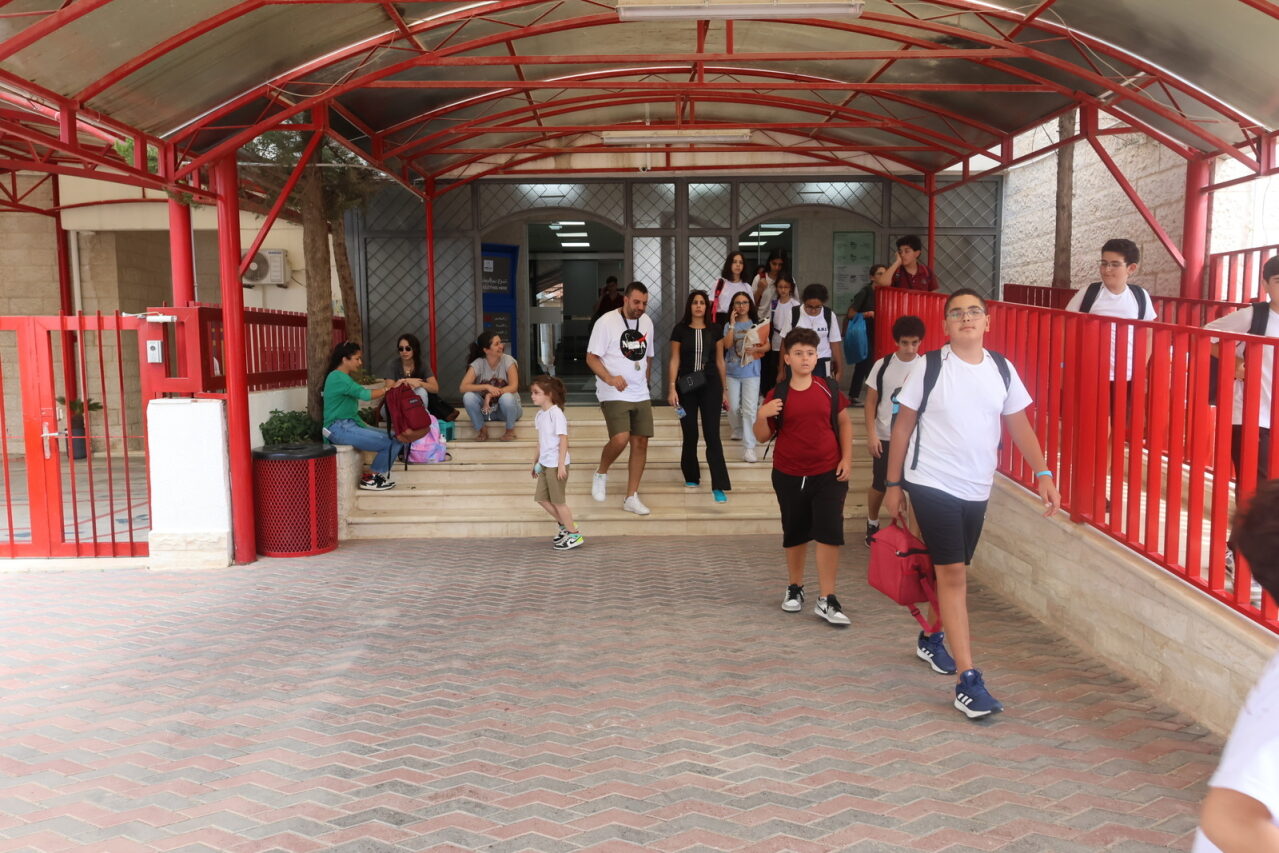
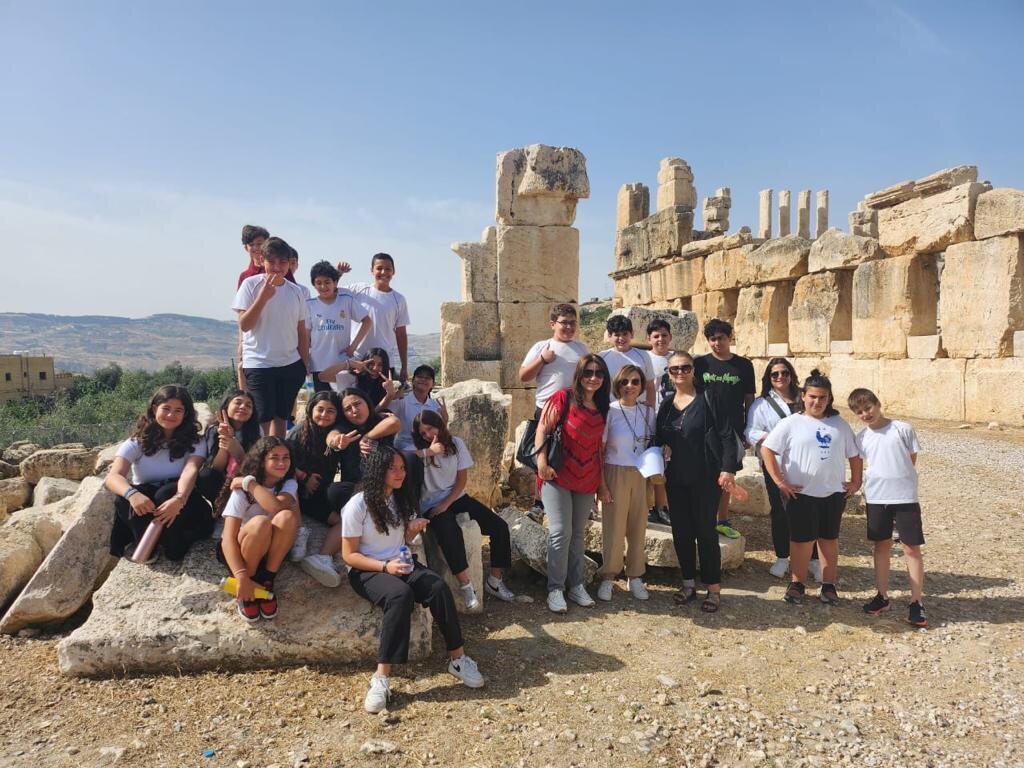

At this stage of their education, we aim to make learning about more than acquiring academic knowledge. We encourage students to become curious, independent thinkers who know how to ask meaningful questions, explore ideas, solve problems, and work effectively with others. Through a wide range of experiences and opportunities, including projects and creative pursuits, students are encouraged to discover their interests, express their ideas, and develop the confidence they need to take on the challenges of the next stage of their education.
We also believe that a well-rounded education goes beyond the classroom. We strive to nurture students who value belonging, respect, and responsibility, and who take pride in their identity, language, and heritage. At the same time, we encourage them to engage with the wider world, embrace new ideas and technologies, and become active, aware members of their communities who are ready to take initiative and make a positive difference.